
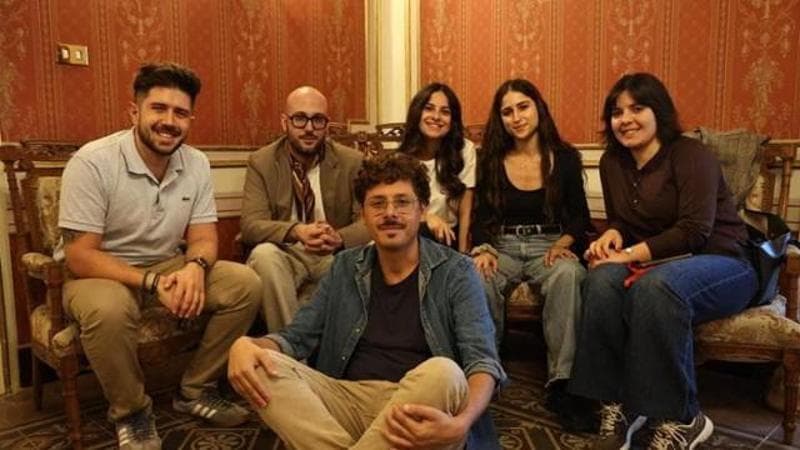
Almost a year has passed since a handful of young people in a remote corner of Sicily set out to overturn the very concept of emigration.
Since then, the Italian word “restanza” has even made its way into the Treccani dictionary.
It is a term that embodies the right not to be forced to leave in search of a better future, and the freedom to hope for a different life even in a region where economic indicators are currently among the lowest in Italy.
The first anniversary of the "Right to stay"
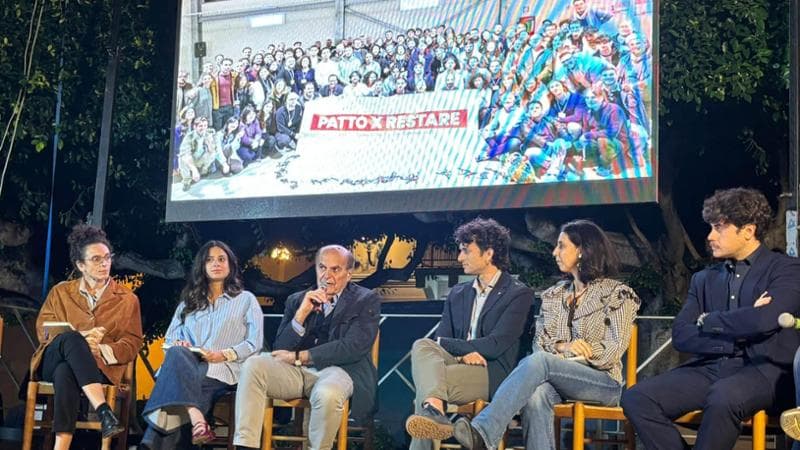
On Thursday, October 15, the young advocates for the right to stay celebrated their first anniversary in the main square of Campobello di Licata, in the province of Agrigento.
They were joined by an unusual guest: Pier Luigi Bersani. The former leader of the Democratic Party and former cabinet minister sat alongside them in a town square that had rarely been so full.
Bersani was also pleased by the title of the event: “The right to stay on the left.”
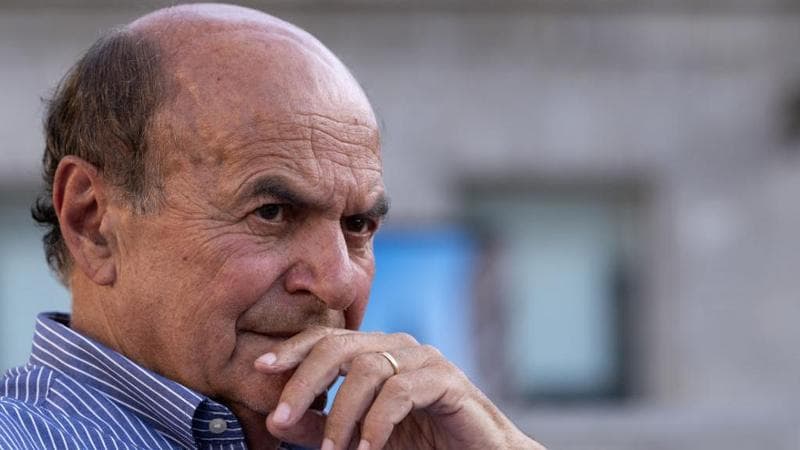
“Being able to stay is fundamentally a left-wing principle,” Bersani said. “After all, what is the left at its core? It’s the belief that you can’t thrive alone—that for you to do well, others have to do well too. If you don’t work toward collective growth and shared rights, the wheel simply won’t turn.”
He spoke of dignified work, universal healthcare, and tax fairness. These issues resonate deeply in Campobello di Licata, a historic electoral stronghold of the former leader of Sicilian Christian Democracy, Totò Cuffaro.
There is no cinema here, no theater, no public transit, and no living wages—starting with the struggling local farmers who lined up to shake Bersani’s hand.
Choosing a future
“And yet in Campobello, there is room to breathe, to build social connections, and to create opportunities,” said Carmelo Traina, a 33-year-old engineer who returned to the town four years ago and co-founded “Patto per restare” (Pact to stay), the initiative that organized the town hall.
“Staying is a choice about life and about the future. At this point in history, living in Sicily is far more compelling than moving to other parts of Europe.”
Economic think tanks have taken notice as well: SVIMEZ, the association for the development of Southern Italy, recently proposed targeting incentives directly toward the right to stay—focusing on wages and public services to stem the region’s demographic drain.
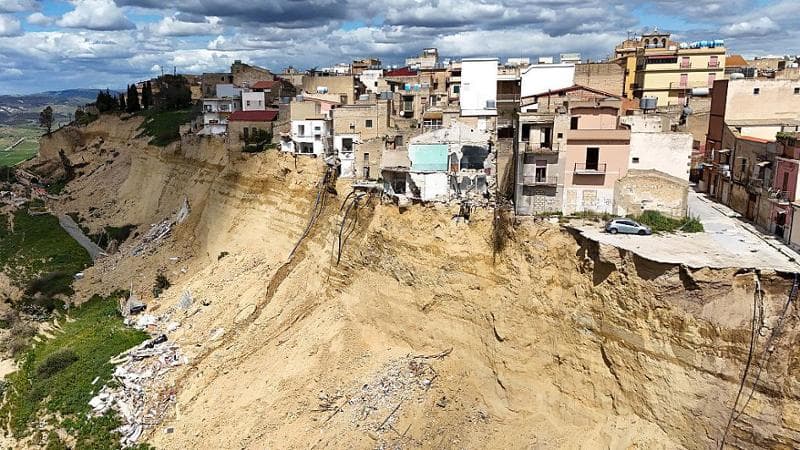
Over the past decade, 56,000 young graduates have left Sicily. This brain drain is the new enemy here, a threat that is emptying the Southern Italy. A seemingly insurmountable obstacle. And yet.

“If we don’t stay, these places will die”
Greta Tassone, 26, moved back two years ago to her hometown of Caltanissetta, which holds the record for the lowest female employment rate in Italy.
“I’m part of that slim 15% who actually has a job,” said Tassone, an engineer with a degree from the prestigious Polytechnic University of Milan.
“Life isn’t bad in Sicily. Obviously, services are lacking—in Caltanissetta, for instance, the hospital can’t keep up with local needs. But if we don’t stay in these places, they are destined to die. We believe in the power of networks to change things, and the restanza network keeps growing. The hope is real—it’s not a utopia, it’s something concrete.”
Ahead of next year's regional elections, Patto per Restare has put forward a concrete proposal called “Zero Unemployment in Sicily,” aimed at mapping local needs with specific professional skills.
Moving beyond anger and indignation
“I never thought about leaving my land,” said Enza Macaluso, a researcher from Valledolmo, a town of 3,000 residents in the province of Palermo. “Sicily isn’t just a disadvantaged region; new horizons are emerging, new phenomena like restanza.”
Then there are those who had no choice but to leave and are now rolling up their sleeves.
“We wanted to take responsibility and do something, moving beyond anger and indignation,” said Simone Dei Pieri, a 33-year-old economics PhD student from Catania.
“For us, that anger became the engine of change. We started with employment proposals, but we will keep pushing forward with education and culture.”
This article was reviewed by an external translation partner