
Who has seen Caravaggio? While Paris remains silent, Rome can only watch and wait.
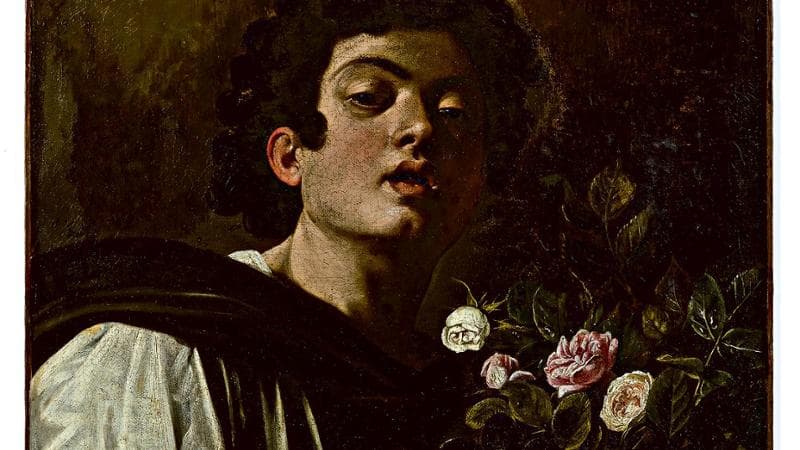
In France, Young Man with a Vase of Roses — attributed to Michelangelo Merisi by art historian Maria Cristina Terzaghi in an exclusive report published on Sunday in la Repubblica — has now become a highly sought-after prize.
The painting’s sale in the early 20th century
The painting was already in the French capital in 1909, when it was sold to the family of its current owners. As Terzaghi has established, the canvas originally belonged to the Borghese collection in Rome, but was not subject to any export restrictions: Italy’s legislation protecting cultural heritage did not come into force until 1939.
The hope now is that the painting will soon be restored and, at the very least, put on public display — not just for the benefit of art experts. Many people who knew of its existence and shared the view that it was by Caravaggio are now following its fate closely.
But where might its permanent home be?
A “national treasure”
For now, the leading contender, given its geographical proximity, is the Louvre in Paris.
This is particularly true if France were to designate the painting a national treasure. Such a move would trigger a special protection procedure, temporarily preventing the work from leaving the country and giving the state an opportunity to acquire it.
The export ban would remain in force for 30 months, giving the authorities time to raise the necessary funds. Recent precedents suggest that an authenticated Caravaggio, subject to export restrictions, is worth at least €30 million. France’s offer to the owner, however, would have to reflect the painting’s international market value — and could therefore be higher still.
In 2024, the Louvre itself acquired a Christ Mocked, attributed to Cimabue, for €24 million, with the help of donations from patrons. The museum even stepped in to halt the panel’s sale at auction in order to secure its acquisition.
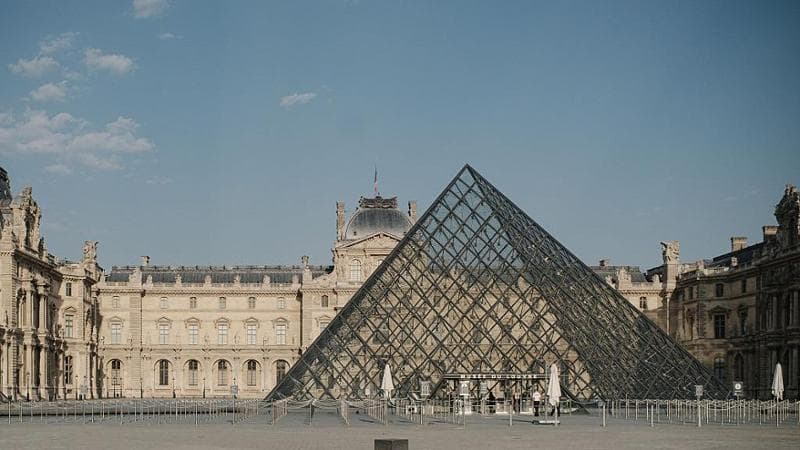
Is the Louvre interested?
There are already three undisputed Caravaggios in the French capital: The Death of the Virgin, the second version of The Fortune Teller (the other is in Rome, at the Capitoline Museums), and Portrait of Alof de Wignacourt with a Page, painted in Malta.
But with scandals, thefts and major renovation work demanding attention, can we be sure the institution is so keen to acquire another? The Louvre’s new director, Christophe Leribault, is certainly no stranger to 17th-century painting, as demonstrated by the exhibition programme he oversaw while running the Petit Palais. But will that be enough?
In 2021, Spain was quick to ensure that the Ecce Homo discovered in Madrid and attributed to Merisi by Terzaghi herself did not slip away. The painting, sold for €35 million, did end up in private hands, but is now on display at the Prado and may only leave the country for temporary exhibitions.
The case for Rome
For now, the chances of the painting — which had remained unpublished until yesterday — returning to Italy, where it was still located two centuries ago, appear slim. Italy’s Ministry of Culture (MiC) has made no official statement, but is following developments closely.
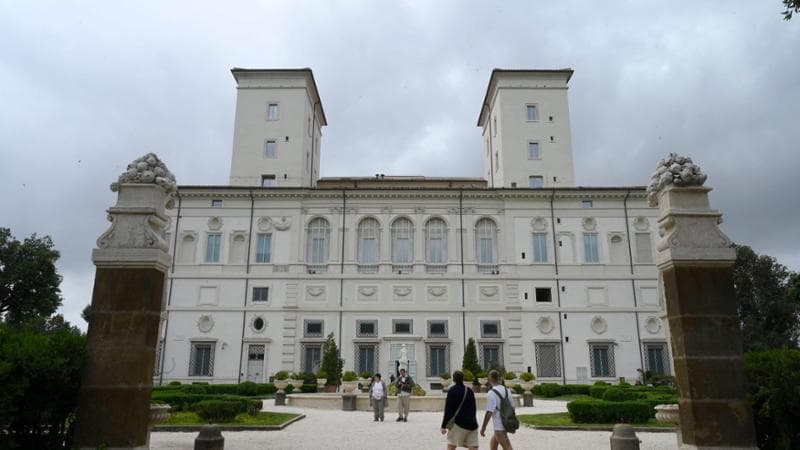
The natural home for Young Man with a Vase of Roses would, of course, be its original one: the Galleria Borghese. The same subject had been part of Cardinal Scipione Borghese’s collection since the 17th century, following the confiscation of the possessions of another painter, Giuseppe Cesari, known as Cavalier d’Arpino.
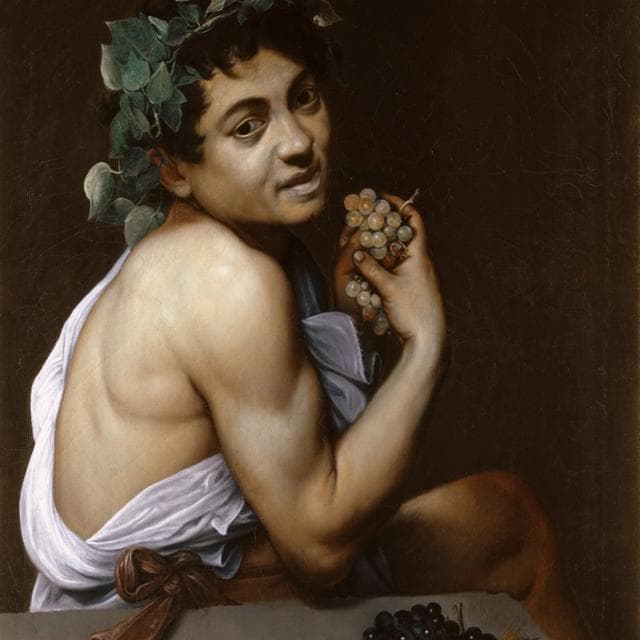
The villa at Porta Pinciana, now a state-owned museum, boasts a gallery housing no fewer than six Caravaggios. Two early works, Boy with a Basket of Fruit and Sick Bacchus, are particularly close in date to the painting in question. The collection is completed by Madonna of the Palafrenieri, Saint Jerome, Saint John the Baptist and David with the Head of Goliath.
The precedent of the Portrait of Maffeo Barberini
Will the Ministry of Culture show the same level of interest it showed in the Portrait of Maffeo Barberini, acquired for €30 million last March? In that case, the task was considerably easier: the painting was already in Italy, held in a private collection in Florence. It was subsequently returned to the setting most befitting it: the Roman palace bearing the family name of the man depicted by the so-called cursed painter.
The next chapter, then, has yet to be written. And when Caravaggio is involved, a few twists and turns are always to be expected.
This article was reviewed by an external translation partner