
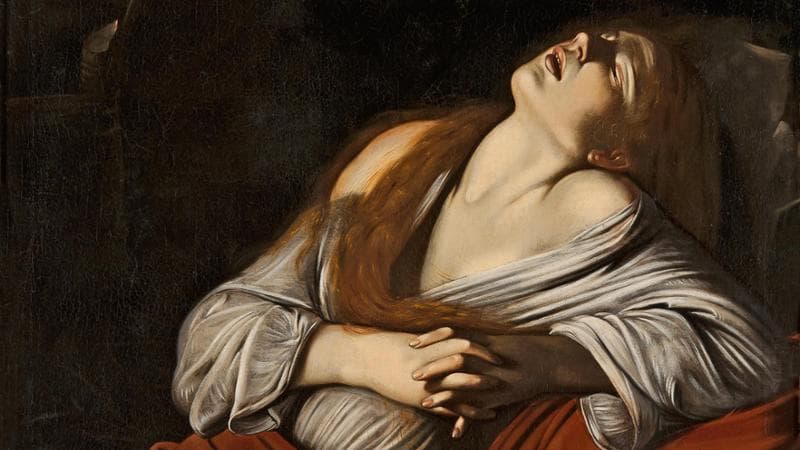
Caravaggio's life is an open-ended story, a novel that keeps acquiring new chapters and unexpected twists. And we're not talking about improbable searches for his bones, paintings that don't quite measure up, or dubious drawings that have made sensational headlines over the past few decades, only to be forgotten almost as quickly as they appeared.
Maria Cristina Terzaghi's latest attribution has revived hopes that authentic, previously unknown paintings by Michelangelo Merisi da Caravaggio may still be waiting to be discovered. Or, at the very least, that works deserving serious examination by the scholarly community may yet come to light.
A mysterious painting missing from a blockbuster exhibition
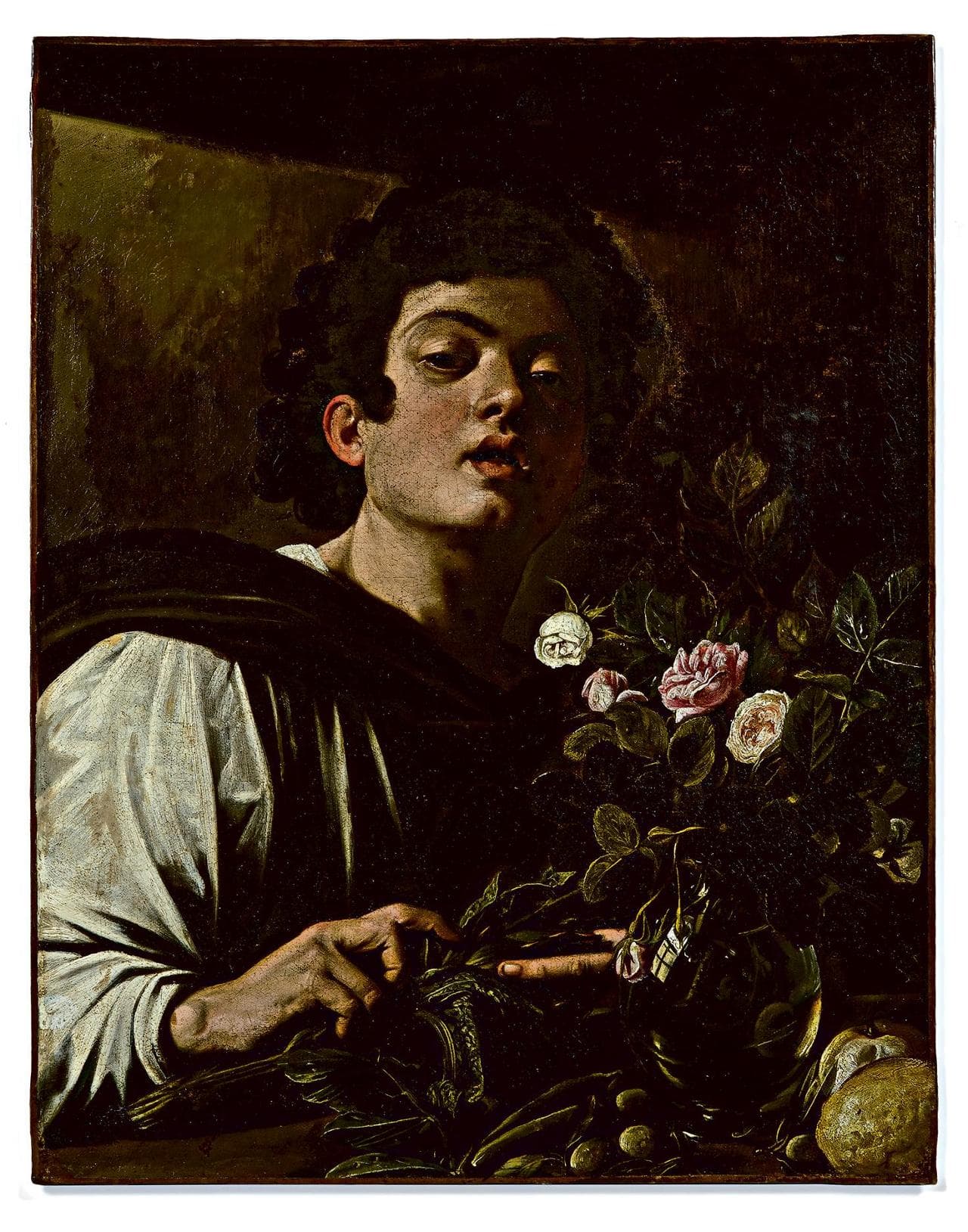
Young Man with a Vase of Roses, the latest painting to be attributed to Caravaggio. Photo: Studio Sebert
Young Man with a Jug of Roses, which belongs to a French collection, is a case in point. The hope now is that it won't remain locked away in a vault, but will soon go on public display.
At last year's record-breaking Caravaggio exhibition at Palazzo Barberini in Rome, the previously unseen painting – which Repubblica is now revealing for the very first time – was the conspicuous absentee. It wasn't there, but its presence loomed large.
A reference to it had already appeared in footnote 70 of Terzaghi's essay Caravaggio in the Workshop, published in the exhibition catalogue. The most attentive readers had spotted it.
From a €1,500 estimate to a €35 million masterpiece
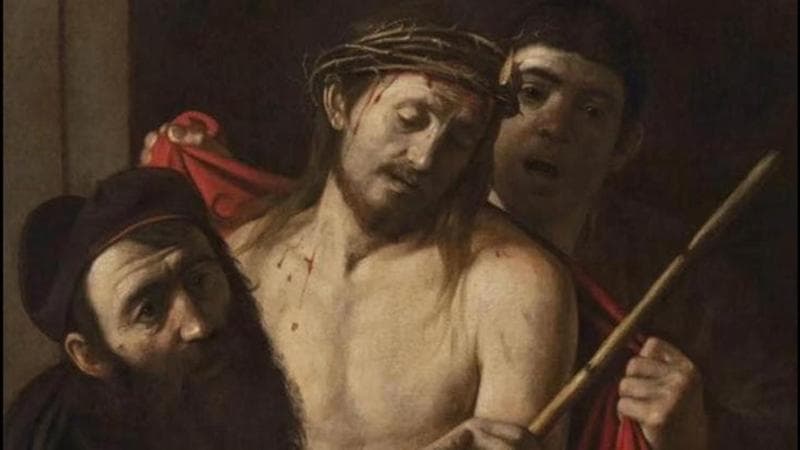
In 2021, the same scholar was the leading advocate of another sensational attribution: the Ecce Homo in Madrid.
The painting had been about to go under the hammer as a work from the "school of Jusepe de Ribera", with an estimate of just €1,500.
The Spanish government subsequently placed the work under heritage protection, and it was eventually sold to a private collector for €35 million. It went on display at the Prado and later, in 2025, in Italy.
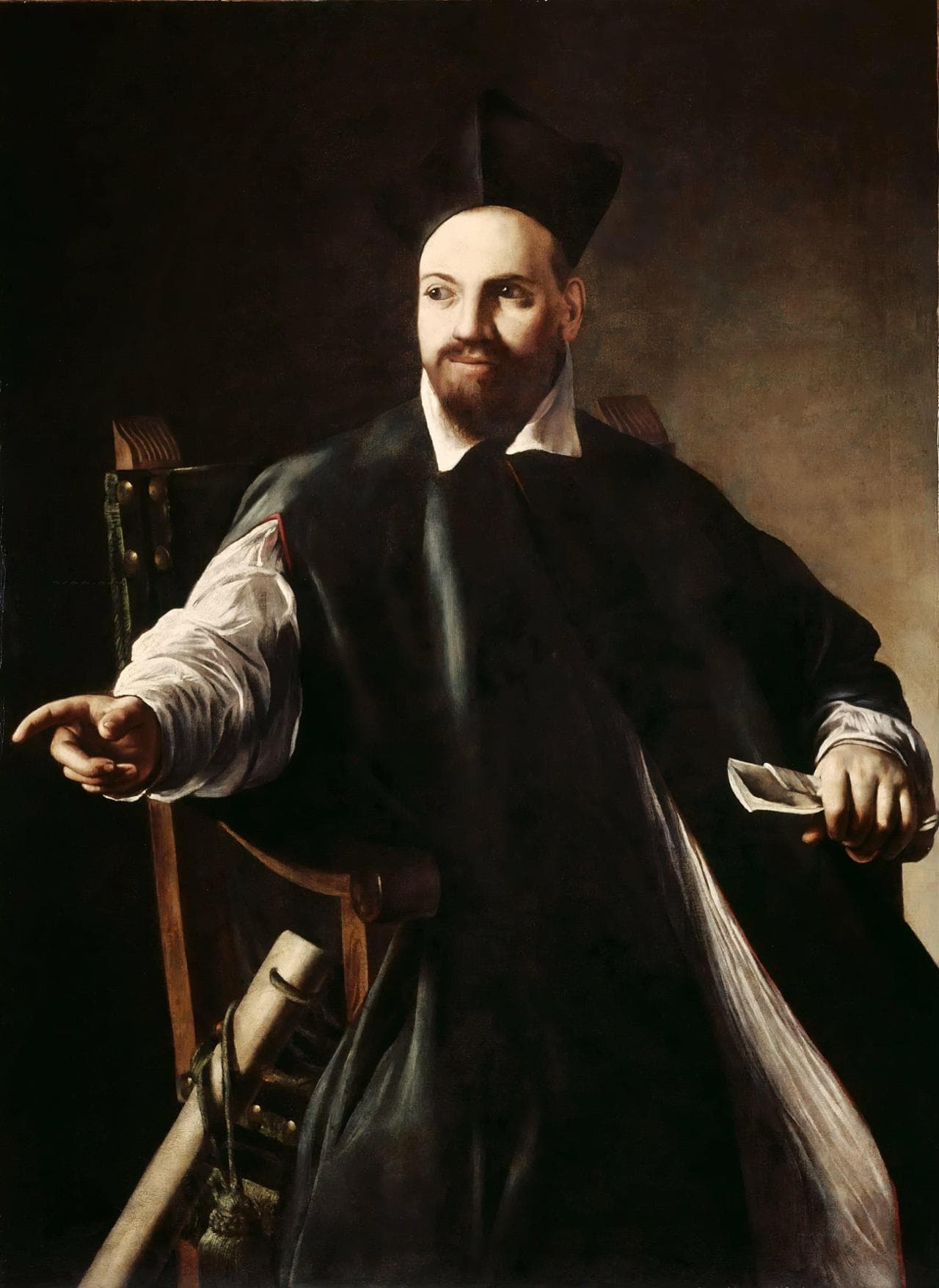
Meanwhile, in March this year, Italy's Ministry of Culture paid €30 million for the Portrait of Maffeo Barberini, which had been recognised as an authentic Caravaggio by the art historian Roberto Longhi in 1963, but had then disappeared into a private collection in Florence for more than half a century.
Palazzo Barberini has now become the painting's rightful home once again.
The mystery of Caravaggio's final journey
Another painting, Mary Magdalene in Ecstasy, has yet to find a permanent home. It was recently exhibited at the Italian Cultural Institute in New York.
The work was brought to public attention in 2014 by Mina Gregori, the doyen of Caravaggio scholarship, in the pages of Repubblica.
Scientific analysis, historical research and comparisons with other works have made it possible to identify the painting as one of the possessions Caravaggio took with him on his final journey.
That was before Merisi reached the coast between Tuscany and Lazio, where he died of fever on 18 July 1610, aged 38.
Yet how his story ended remains anything but clear. More than four centuries later, the tormented painter continues to write his own history.
This article was reviewed by an external translation partner